To fight for national culture means in the first place to fight for the liberation of the nation, that material keystone which makes the building of a culture possible. There is no other fight for culture which can develop apart from the popular struggle.
Frantz Fanon, 1961
On National Culture
From Palante Volume 2 Number 12, September 25th 1970
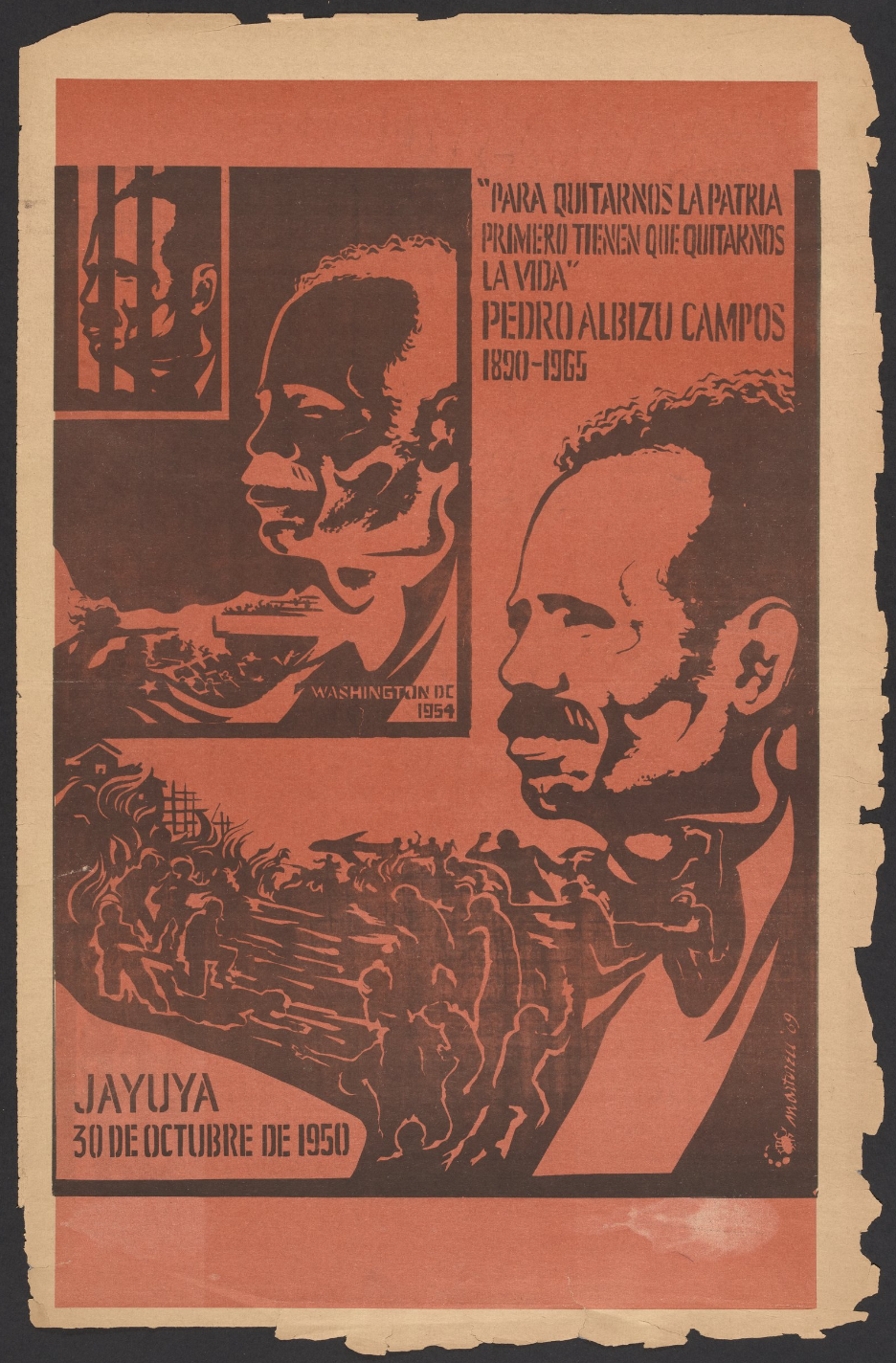
Back cover, Palante Volume 2, Number 3
May 22nd, 1973
Puerto Ricans and the diaspora in New York have been celebrated, especially in the recent months, for their intense cultural pride. This has a long history, intertwined deeply with the anti-colonial struggle. The Puerto Rican flag was banned from June 10, 1948, to 1957 under Law 53, also known as the Gag Law (Ley de la Mordaza), enacted by the US-appointed legislature to suppress the independence movement. During this time, it was illegal to own, display, or print images of the flag, with violations punishable by up to 10 years in prison. Since flying the flag became legal again, a person traveling through East Harlem, Washington Heights, or the South Bronx can expect to see countless Puerto Rican flags along the streets. However, this national pride and culture is something that must be cultivated.
Both Fanon and Cabral write on the importance of a national culture within a liberation movement. Within a liberatory revolution, one must cultivate a popular national culture for people to unite around and fight for. Cabral emphasizes how active one must be in the development of this:
The liberation movement must, as we have said, base its action upon thorough knowledge of the culture of the people and be able to appreciate at their true value the elements of this culture, as well as the different levels that it reaches in each social group. The movement must also be able to discern in the entire set of cultural values of the people the essential and the secondary, the positive and the negative, the progressive and the reactionary, the strengths and the weaknesses. All this is necessary as a function of the demands of the struggle and in order to be able to concentrate action on what is essential without forgetting what is secondary, to induce development of positive and progressive elements, and to combat with flexibility but with rigor the negative and reactionary elements; and finally, in order to utilize strengths efficiently and to eliminate weaknesses or to transform them into strengths. (Amílcar Cabral, National Liberation and Culture, delivered 1970.)
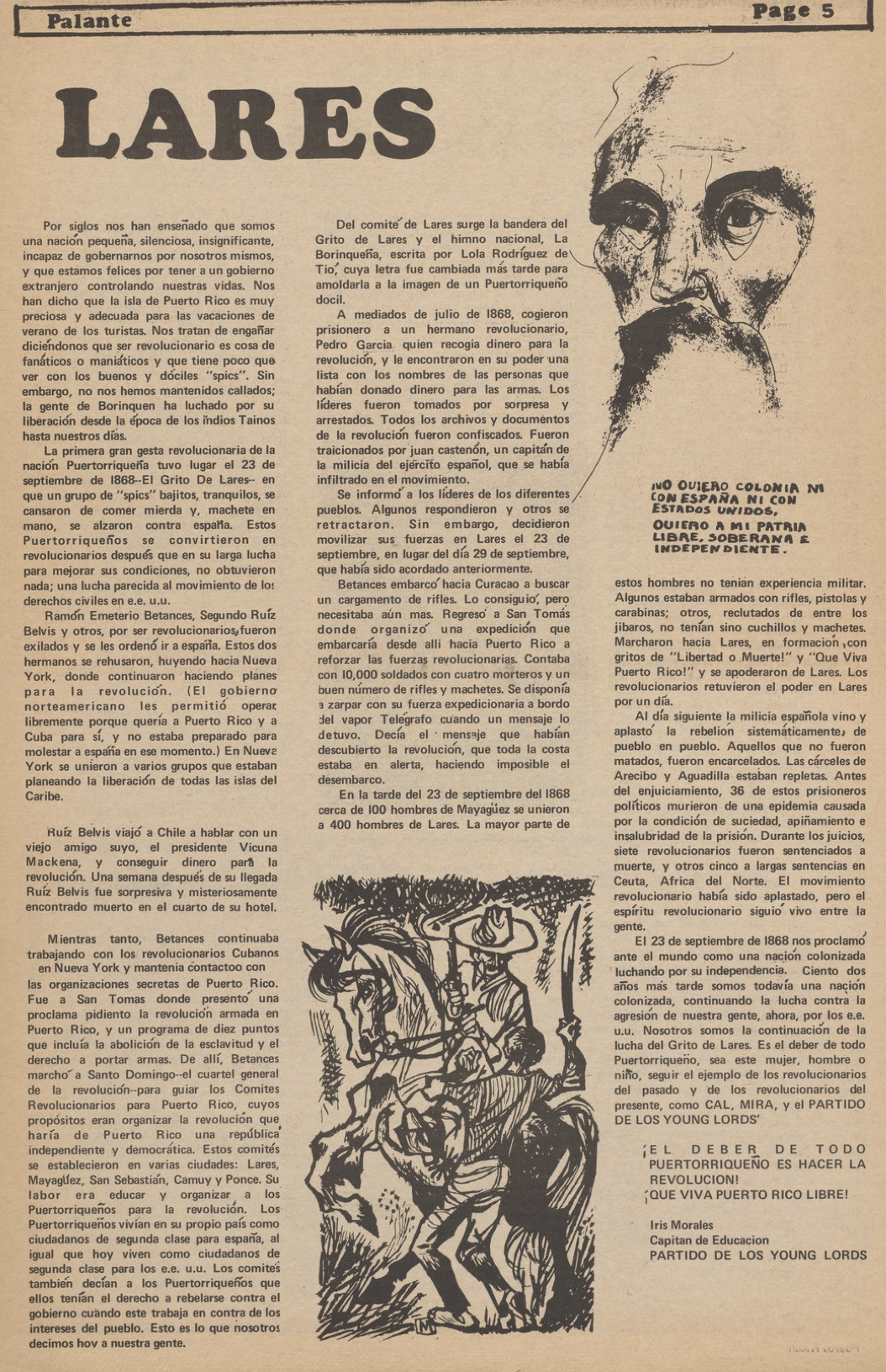
The Young Lords used their political education and Pa’lante to highlight often forgotten histories of Puerto Rico, specifically the rich indigenous history of the Taino people as well as the violent effects of both Spanish and US colonialism. However, they were not afraid to critique the harmful parts of Puerto Rican culture, many of which had been promoted by the colonial entity, but adapted amongst the general population.
Frantz Fanon further emphasizes the complicated existence of a national culture; it is both vital within a revolutionary movement but is also extremely easy to falsely simplify.
A national culture is not a folklore, nor an abstract populism that believes it can discover the people’s true nature. It is not made up of the inert dregs of gratuitous actions, that is to say actions which are less and less attached to the ever-present reality of the people. A national culture is the whole body of efforts made by a people in the sphere of thought to describe, justify and praise the action through which that people has created itself and keeps itself in existence. A national culture in under-developed countries should therefore take its place at the very heart of the struggle for freedom which these countries are carrying on. (Frantz Fanon, On National Culture, 1961.)
A movement towards anti-colonial liberation provides both a new opportunity for movement leaders to shape a national culture, but also is a time of extreme pressure. It can be extremely high risk, revolutionaries have some agency to shape this culture, but they must remain true to the popular contingent, rooting the national culture within people's history without alienating working-class members of the party who may be disillusioned by elite academia, an institution which typically rises in coalition with the colonizing entity as a means of creating class division. Cabral emphasizes this within the context of African liberation:
Without minimizing the positive contribution which privileged classes may bring to the struggle, the liberation movement must, on the cultural level just as on the political level, base its action in popular culture, whatever may be the diversity of levels of cultures in the country. The cultural combat against colonial domination—the first phase of the liberation movement—can be planned efficiently only on the basis of the culture of the rural and urban working masses, including the nationalist (revolutionary) ‘petite bourgeoisie’ who have been re-Africanized or who are ready for cultural reconversion. (Amílcar Cabral, National Liberation and Culture, delivered 1970.)
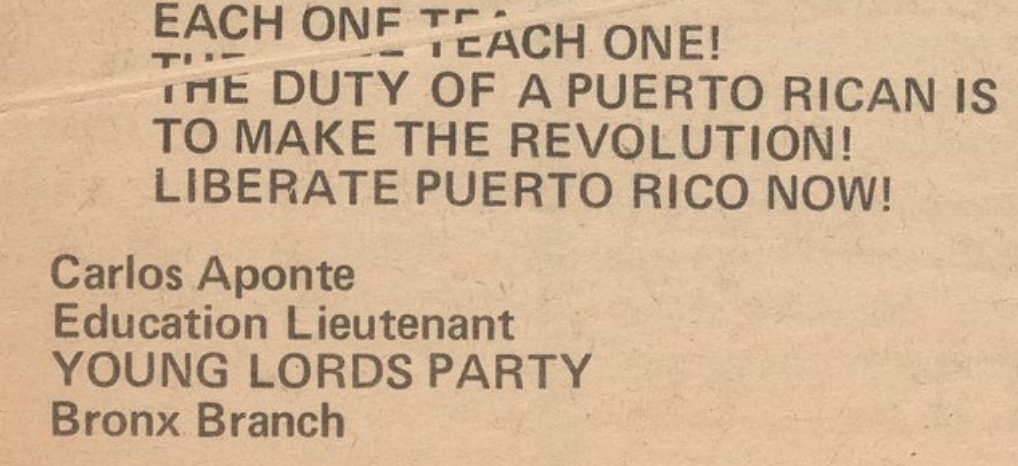
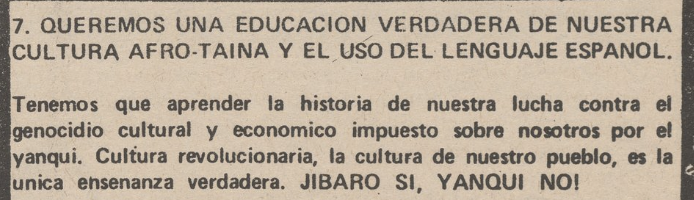
The Young Lords seem to follow this thinking, focusing much of their political education directly into the affected community. The entire existence of Palante as a popular newspaper symbolizes this focus on the masses. Pa’lante not only is a form of material propaganda, but is active educational material, written in both English and Puerto Rican Spanish, targeted directly at the diasporic, mistreated, and working-poor masses.
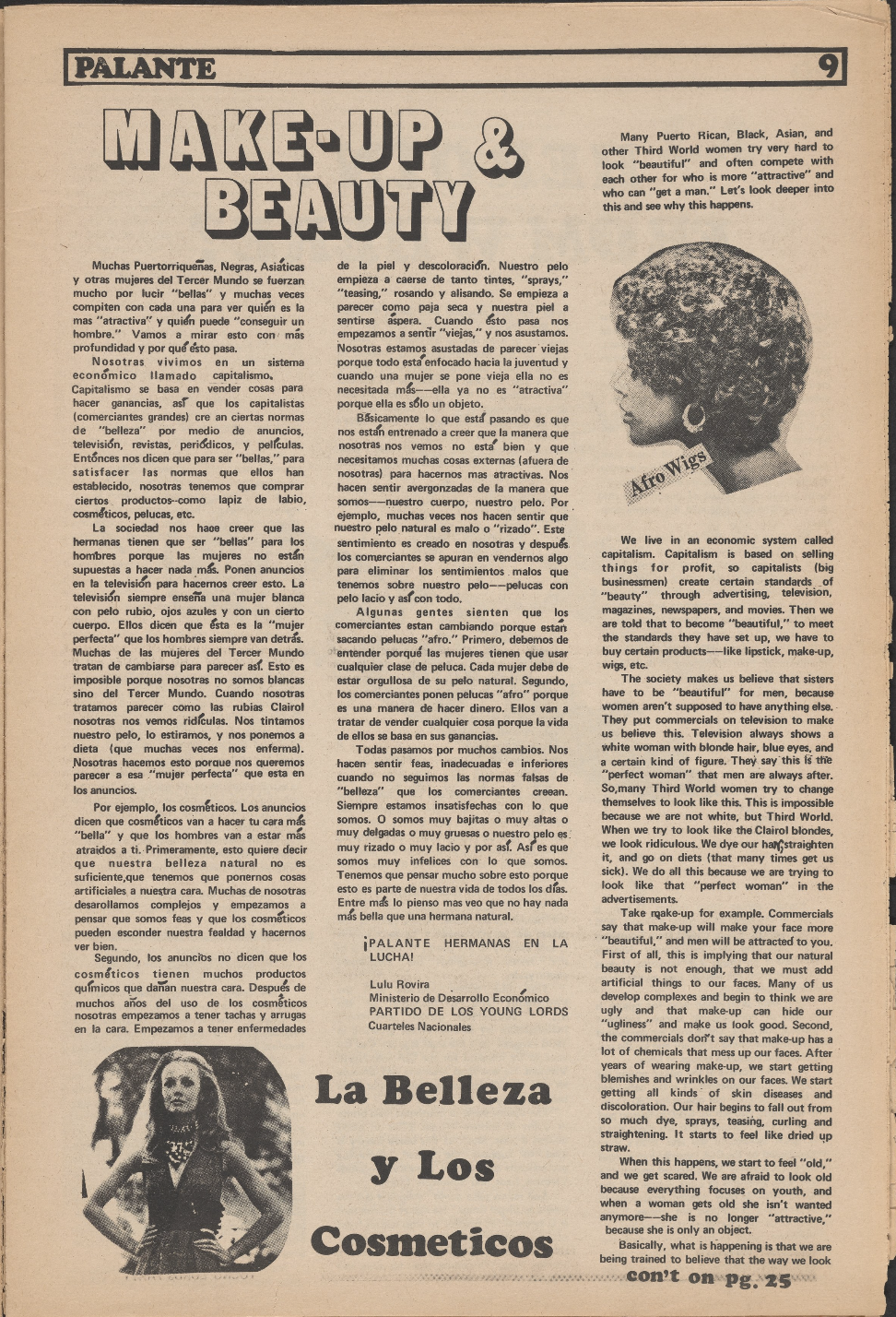
From Palante Volume 3 Number 12, July 4th-18th 1971
From Palante Volume 2 Number 7, July 17th 1970
The YLP was not afraid to critique facets within Puerto Rican popular culture, particularly those which manifested as a result of colonial domination and influence. This article on beauty standards critiques the general colorism and white supremacy that is prevalent within the global beauty industry, but especially within Puerto Rico and the diaspora. The article connects the industry directly to capitalism and imperialism, an example of their active shaping of a new, revolutionary, and anti-colonial national culture.
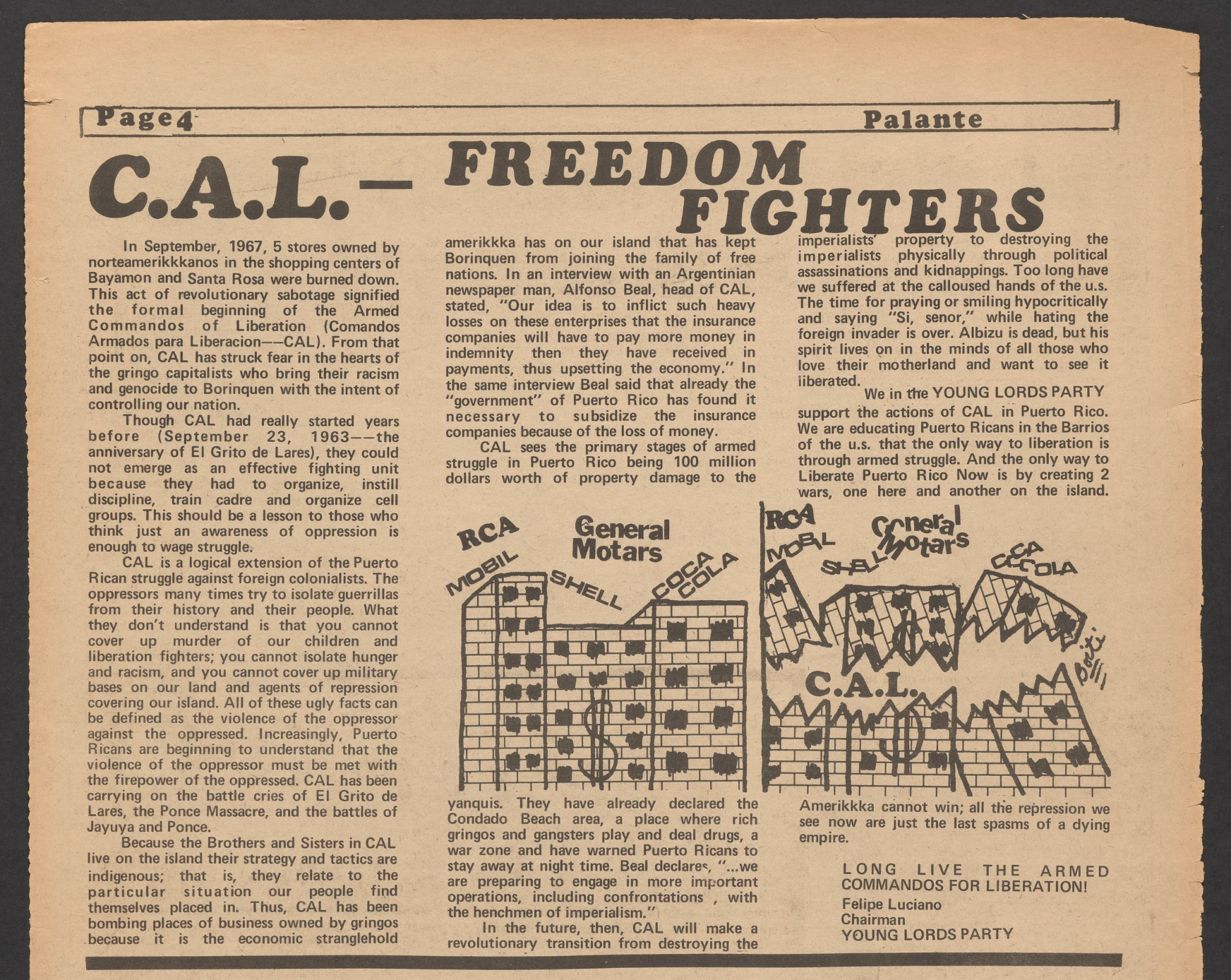
From Palante Volume 2 Number 4, June 5, 1970
The YLP focused on educating their base in New York about active campaigns and movements happening on the island. Further, they asserted several times that armed resistance was the truest path to liberation, building a militant and educated base amongst the diaspora. This is supported by the theories of both Cabral and Fanon, who saw armed revolution as the final stage of an anti colonial struggle and nation-building movement.
The more one realizes that the chief goal of the liberation movement goes beyond the achievement of political independence to the superior level of complete liberation of the productive forces and the construction of economic, social, and cultural progress of the people, the more evident is the necessity of undertaking a selective analysis of the values of the culture within the framework of the struggle for liberation. Now, the negative values of culture are generally an obstacle to the development of the struggle and to the building of this progress.
-Amílcar Cabral, National Liberation and Culture 1970
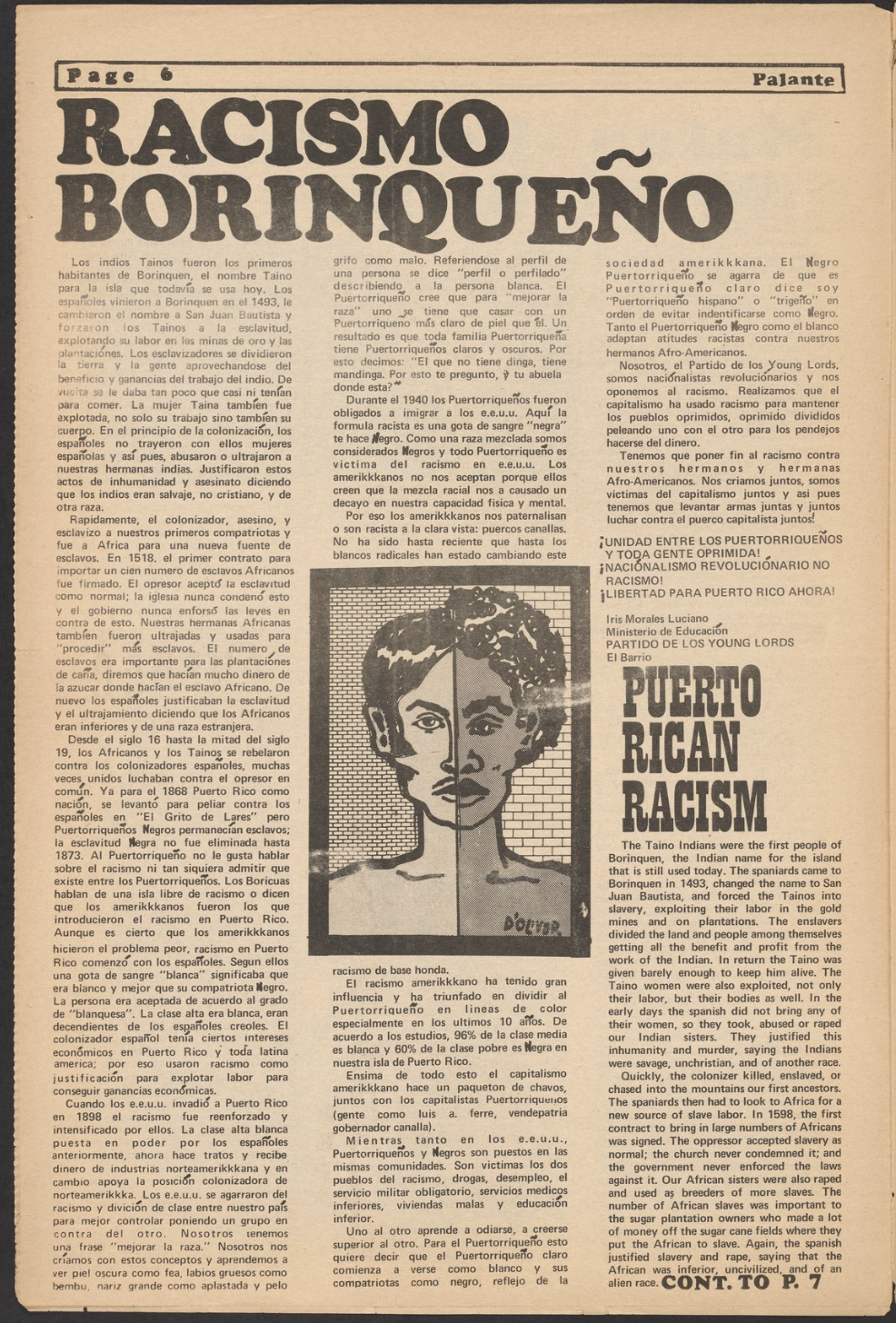
From Palante Volume 3 Number 12, July 4th-18th 1971
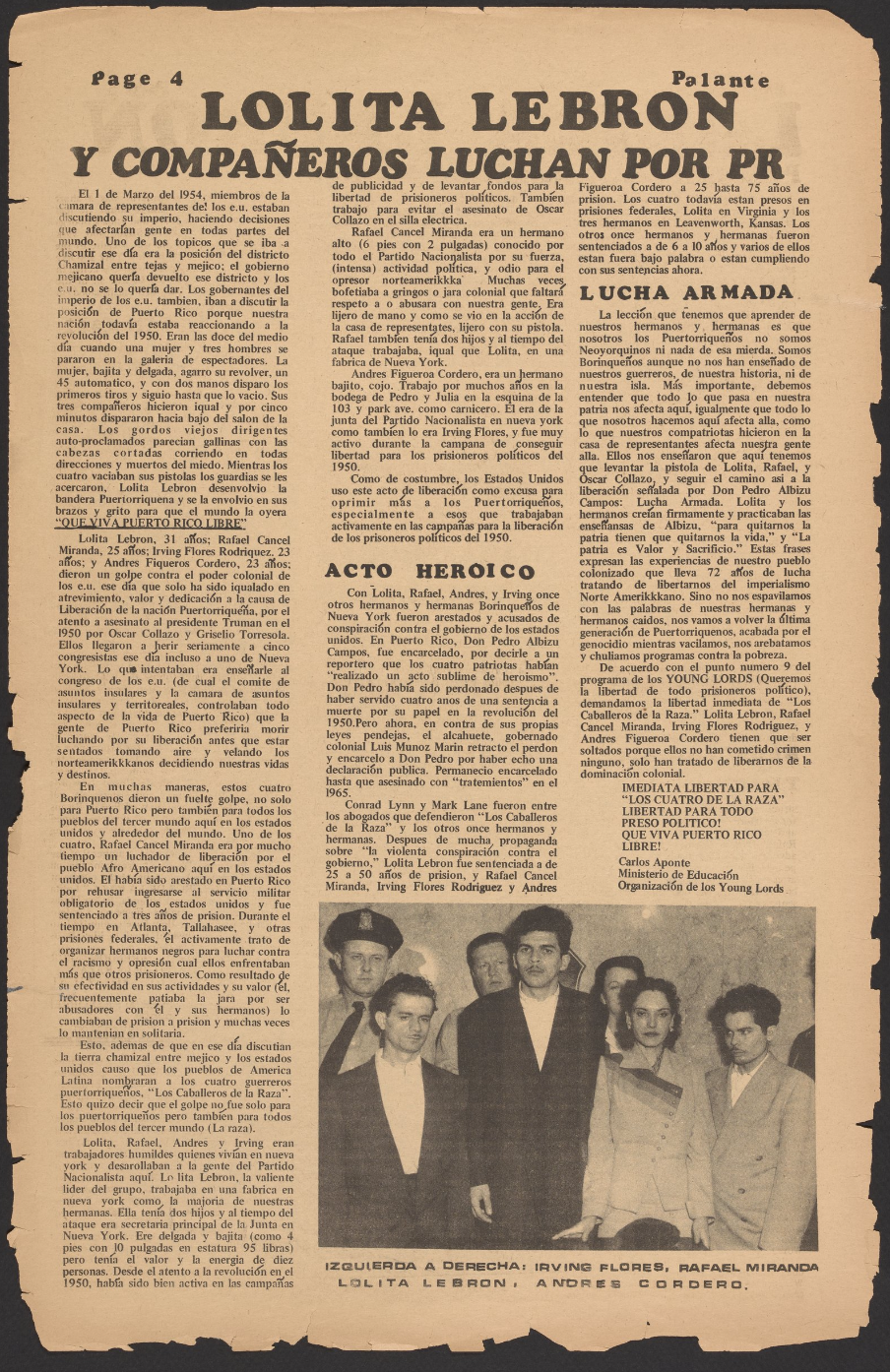
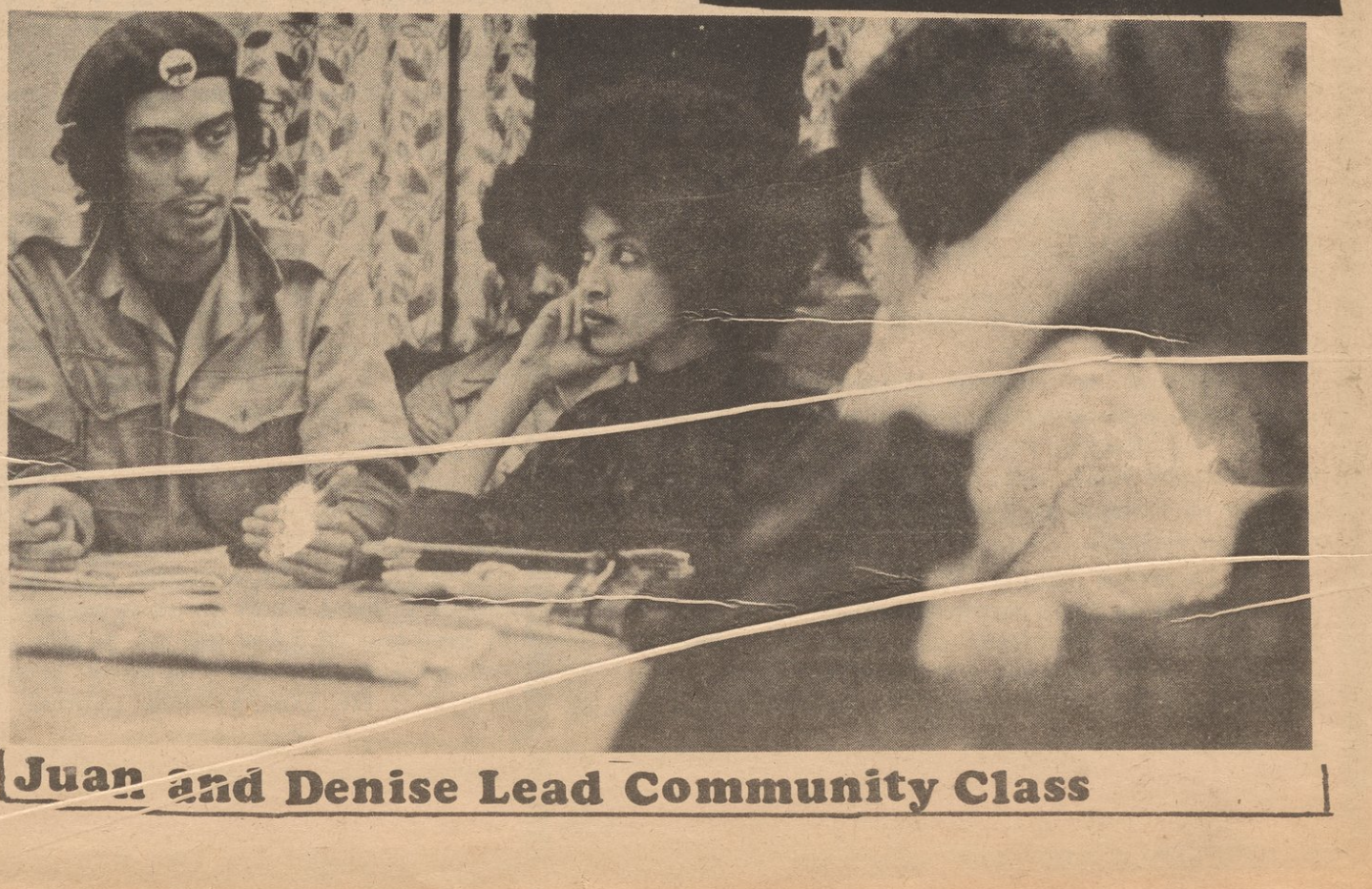
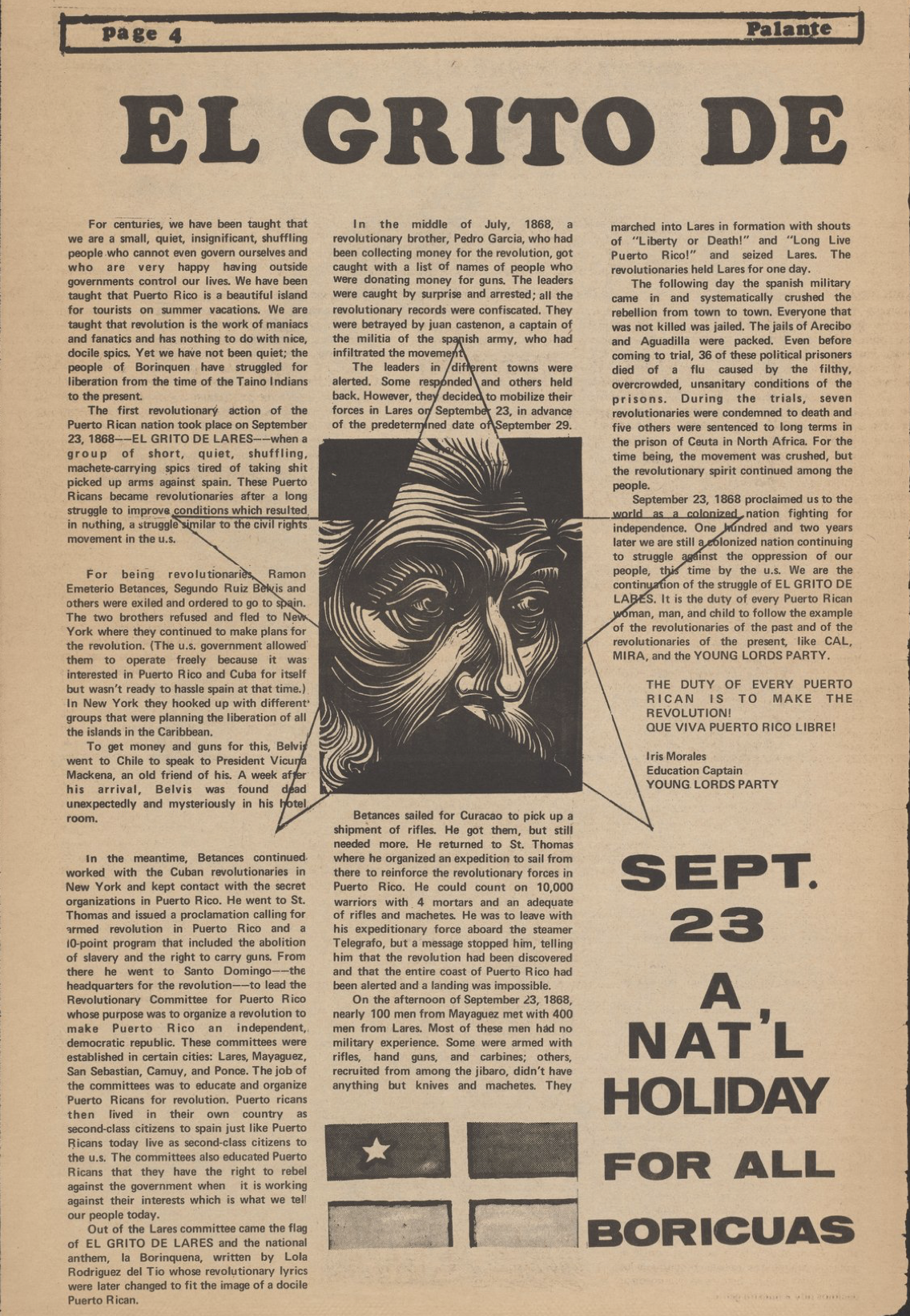
From Palante Volume 2 Number 3, May 22, 1970
Images left and below from Palante Volume 2 Number 4, June 5, 1970